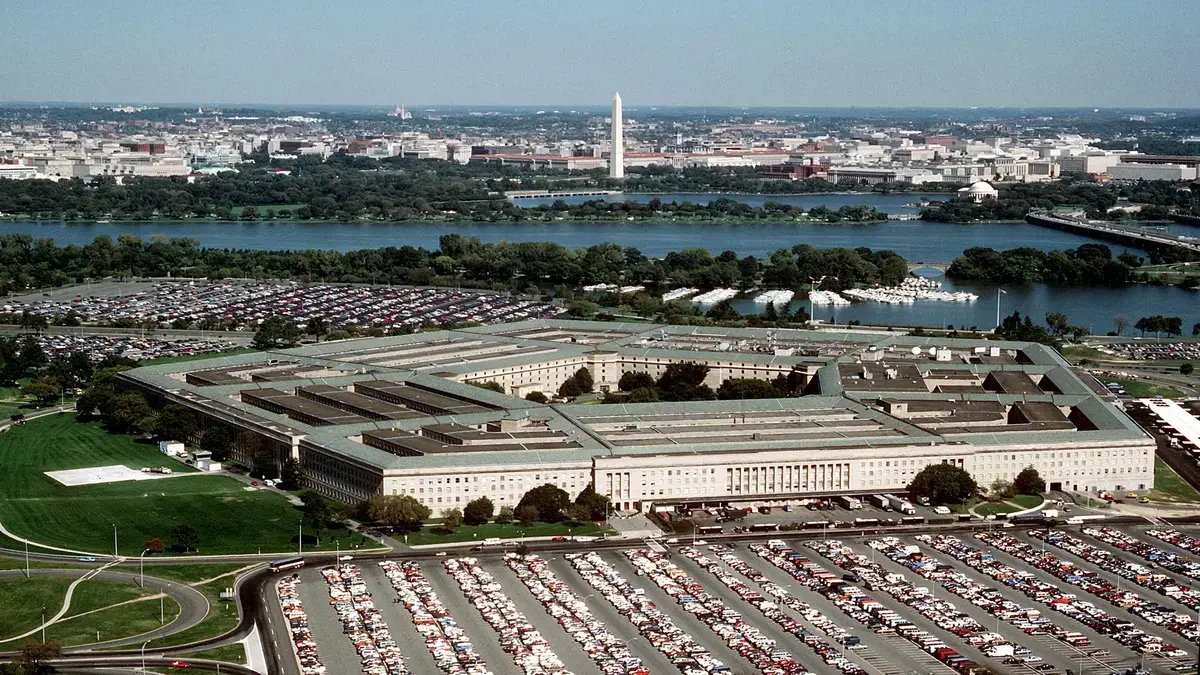
“(WASHINGTON) – The Pentagon has increased the force protection level for U.S. personnel in the Middle East amid rising tensions between Israel and Iran. According to the Defense Department, Defense Secretary Lloyd Austin has directed the redeployment of strategic assets and increased regional readiness in response to strategic threats.
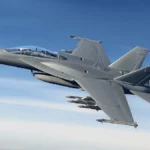
In recent days, the USS Abraham Lincoln Carrier Strike Group was relocated to replace the USS Theodore Roosevelt, while fighter squadrons, including F-22 Raptors and F-15E Strike Eagles, have been deployed to forward bases such as Al Dhafra Air Base in the United Arab Emirates.
Strengthening Air and Missile Defenses
Along with air power, the Pentagon has strengthened missile defenses at U.S. installations. The 380th Air Expeditionary Wing has conducted extensive operational operations and Redeployed aerial refueling and surveillance assets to provide coverage. In addition, Patriot and THAAD missile systems are being repositioned at strategic points, reinforcing key infrastructure and embassy zones in the Gulf. region.
U.S. Central Command described the measures as “purely defensive” but stressed that they are “in the interest of the U.S. They are calibrated to ensure the safety of forces and deter regional aggression.”
Strategic implications and regional outlook
Military analysts believe that America’s strong stance sends a dual message: deterrence to Tehran and reassurance to regional allies. The visibility of high-value platforms such as carrier strike groups and ballistic missile defenses reinforces American resolve without engaging in direct combat.
However, experts also warn that the expanded footprint presents new risks. The proximity of Iranian, Israeli, and American forces increases the chances of miscalculation. Moreover, with the U.S. already stretched thin in many theaters, the logistics and political consequences of this regional buildup could cause long-term tensions.
The diplomatic backdrop further complicates the situation. The new deployment comes just days before a new round of U.S.-Iran nuclear talks in Oman. Some see the show of military force as an advantage in the talks; others worry that it could provoke Tehran to back down altogether.
Conclusion
As the Israel-Iran standoff intensifies, the Pentagon’s improved preparedness highlights a shift in the U.S. role in the region – whether the move enhances regional stability or adds fuel to an already volatile geopolitical landscape will be revealed in the coming weeks.


Leave a Reply